

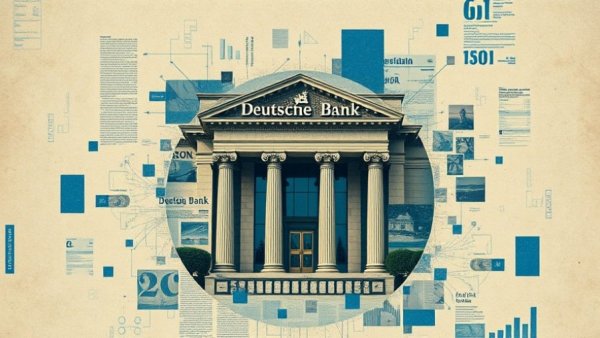
The Implications of the Deutsche Bank Files Leak
The recent leak of 15 million Deutsche Bank files has illuminated significant systemic failures within one of the world’s largest financial institutions. The documents—comprising emails, internal probes, and other relevant correspondence—map out not only the operations of Deutsche Bank but also provide a detailed examination of the leadership strategies under CEO Christian Sewing. As small business owners navigate the complex financial landscape, understanding these revelations can be pivotal in forming strategic decisions regarding their financial engagements with larger institutions.
Understanding Corporate Governance Failures
This leak elucidates critical failures in corporate governance and decision-making processes at Deutsche Bank. The focus on Sewing's leadership highlights the challenges faced by companies in maintaining public trust while handling internal crises. For small business owners, such insights underscore the importance of diligence in corporate governance, especially in their financial arrangements with banks. Establishing a clear governance structure could significantly aid businesses in minimizing risks associated with financial partnerships.
The Intersection of Economics and Financial Management
The fallout from the leaked information presents a broader context on the economic implications impacting both large corporations and small businesses. As economies become intertwined, the failures of a bank can reverberate throughout the financial system, affecting commercial lending rates and small business loans. It’s essential for small business owners to stay informed about lending standards and financial strategies that may shift in response to such corporate scandals. This knowledge can empower them to make more informed decisions regarding their financing options and business growth opportunities.
Lessons in Financial Transparency and Compliance
Transparency is a core value that has taken center stage in this context. The public demands accountability and clarity from institutions that manage finances on a global scale. Small businesses can learn valuable lessons here; committing to transparency in their operations and maintaining compliance with regulations can build trust with customers and stakeholders alike. Insight into Deutsche Bank’s struggles can also inform small businesses about the importance of robust financial reporting and the potential consequences of neglecting these practices.
What This Means for Small Business Finances
As small business owners analyze this situation, it is critical to consider the downstream effects of corporate failures like those at Deutsche Bank. Access to funding can become constrained as banks reevaluate their risk appetite. This could lead to tighter lending standards or altered interest rates, affecting existing and prospective small business loans. Understanding these macroeconomic factors is vital for small business financial management, creating opportunities for better planning and strategic financial decisions.
The leak of Deutsche Bank's files not only reveals the internal struggles of a financial giant but also serves as a crucial reminder for small business owners. By fostering a culture of financial transparency, staying attuned to evolving corporate governance standards, and recognizing the interplay between big bank policies and small business operations, entrepreneurs can better navigate their paths to success. In light of these insights, small business owners should actively reassess their financial strategies and consider consulting with financial specialists to enhance their operational resilience.





Write A Comment